When modern teams evaluate AI-powered collaboration tools, a frequent question emerges: Can I export polished deliverables — PDFs and DOCX — as easily as from Suprmind? TypingMind and Suprmind are rapidly gaining attention as top AI copilots, but their approaches and feature sets differ significantly. This article cuts through the jargon to clarify exactly how TypingMind compares to Suprmind when it comes to export options, focusing on the nuances of multi-model orchestration, decision-making workflows, and the real cost of key management.
Introducing the Players: TypingMind, Suprmind, and ChatGPT
Before we dive in, let’s quickly contextualize these products with a brief overview.
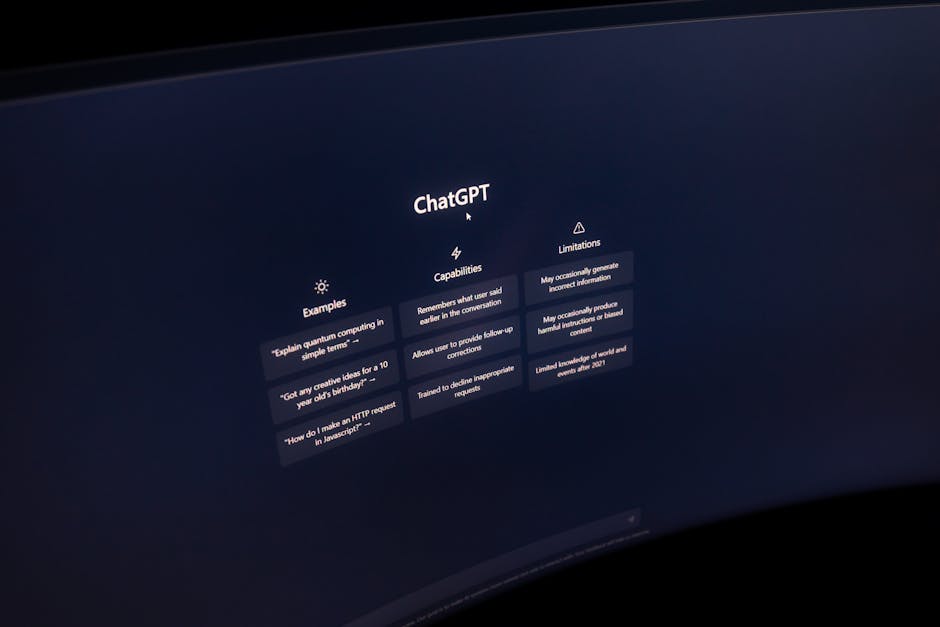
- Suprmind: Positioned as a hosted SaaS AI companion, Suprmind emphasizes a smooth, out-of-the-box experience combining multi-model chat, smart workflow validation, and transparent European data residency (hosting in Germany, database in Switzerland). Suprmind’s plans start at $19/month, providing an accessible subscription model with robust export capabilities. TypingMind: A nimble AI platform known for multi-model orchestration rather than just multi-model chat. TypingMind offers advanced user control through BYOK API keys (Bring Your Own Key), giving customers direct billing and more granular model choice, often appealing to enterprises seeking tighter data control and cost optimization. ChatGPT: The ubiquitous AI chat tool, often embedded within or orchestrated by products like TypingMind or Suprmind. While it excels in conversational interfaces, ChatGPT alone lacks native multi-model workflows and export formats beyond copy-paste.
TypingMind Artifacts and Export Options: What’s Available?
A core distinction when choosing an AI collaboration tool is how easily you can transform ephemeral chat and idea threads into finalized reports, especially PDFs and DOCX files that match corporate standards.
TypingMind’s Output: HTML Canvas and Export Considerations
TypingMind structures user sessions and AI "artifacts" as highly flexible, interactive HTML canvas outputs. This design supports rich visualizations and live model orchestration—like switching from GPT-4 to Anthropic in mid-thread—but it also has implications for export:
- HTML Canvas First: TypingMind primarily views content as web-native HTML outputs optimized for screen interaction. PDF and DOCX Export: Unlike Suprmind, TypingMind currently lacks a built-in one-click PDF/DOCX export. Users must export HTML content manually or rely on browser print-to-PDF functions (which can distort layouts). Post-Processing Required: To generate polished DOCX or PDF deliverables, teams typically use additional tooling—like Microsoft Word or Adobe Acrobat—or build internal converters.
In other words, while TypingMind excels at multi-model orchestration behind the scenes, its deliverable export is more Great post to read of a DIY story, requiring either technical savvy or investing in supplementary tools.
Suprmind’s Subscription Model and Export Delight
Suprmind, by contrast, treats deliverable export as a first-class citizen. Because it is a hosted SaaS only with a focus on decision workflows, Suprmind hands you crisp PDF and DOCX exports with a single click — https://stateofseo.com/can-typingmind-do-debate-or-red-team-style-workflows/ complete with built-in templates and layout cleanups.
- Subscribing at $19/month unlocks direct exporting from chat/workflow threads without extra plugins or exports hacks. Suprmind’s stringent European hosting guarantees legal and compliance assurances for privacy-sensitive organizations. Because the backend manages all transformation and PDF/DOCX templating, the quality and fidelity far exceed browser print-outs.
Multi-Model Chat vs Multi-Model Orchestration: Why It Matters
Comparing TypingMind and Suprmind often leads to a subtle but critical distinction:

Which approach suits your needs?
- Want simple AI-assisted decision documents with clean exports? Multi-model chat with embedded exports (like Suprmind) is more user-friendly. Developing custom workflows that validate outputs across models, generate risk registers, or perform “red teaming”? TypingMind’s orchestrated approach and APIs shine, but export is on you.
Decision-Making Workflows, Validation, and Red Teaming
Both tools recognize that AI outputs must not only be generated but rigorously validated — especially in high-stakes contexts.
Suprmind’s Integrated Workflow Validation
Suprmind embeds controlled decision-making workflows, enabling:
- Preset guards and prompts layered stepwise to validate AI responses. Dynamic risk registers attached to AI-generated content, making audit trails possible. Red teaming as a native feature — you can actively probe outputs for errors or biases prior to export.
Combined with export-ready deliverables, this makes Suprmind a solid choice for regulated environments.
TypingMind and Custom Red Team Experiences
Because TypingMind exposes BYOK API keys and programmatic layers, your team can build tailored red teaming and validation layers. But:
- This requires in-house engineering resources to integrate and maintain. Exporting audit-ready presentations still means stitching outputs from orchestrated threads manually.
TypingMind offers powerful primitives; Suprmind packages the end-to-end experience.
Pricing Math: Lifetime BYOK vs Subscription Bundles
Pricing is a decisive factor. Both solutions come with hidden costs that product teams should factor in beyond sticker price.
Feature TypingMind Suprmind Base Price Free tier plus BYOK API usage billed by your model provider (OpenAI, Anthropic) Subscription starts at $19/month, includes hosting, export, and workflows BYOK Model Keys Required—bring your own provider keys; you pay provider usage directly Managed for you; no direct API key needed by user Hosting & Data Residency Cloud-based, not guaranteed EU-only hosting Hosted SaaS with servers in Germany; database in Switzerland (GDPR compliant) Export Options Manual export from HTML canvas; no direct PDF/DOCX one-click One-click PDF/DOCX export Hidden Costs API token spend billed by provider, plus internal conversion and tooling Included in subscription; token spend amortized over usersVerdict: TypingMind is effectively a platform layer — you pay for model usage separately and add tooling to get polished artifacts. Suprmind offers a more traditional SaaS bundle with predictable monthly fees that include export and GDPR-certified hosting.
Summary: When to Choose TypingMind vs Suprmind for PDF and DOCX Exports
- Choose Suprmind if: You need a hosted SaaS with solid off-the-shelf PDF/DOCX export, UI-friendly multi-model chat, integrated validation, and guaranteed EU hosting. You want turnkey decision-making workflows out-of-the-box starting at $19/mo. Choose TypingMind if: Your team prioritizes advanced multi-model orchestration with BYOK API keys, is comfortable managing provider costs, and has engineering bandwidth for building custom export pipelines. You want tight control over data and billing and prefer a modular platform over bundled SaaS.
Parting Notes on Chat Convenience vs Deliverable Quality
Remember, chat convenience doesn’t equal deliverable quality. Chat sessions in ChatGPT or TypingMind can be great for ideation or fast prototyping, but final reports require reliable export formats and structured workflows. Suprmind aims to bridge that gap with seamless PDF/DOCX artifacts. TypingMind empowers deeper orchestration but leaves export workflows to your build.
For teams debating between ease and flexibility, assessing your export must-haves, validation needs, and hosting compliance upfront will save time and risk downstream.
```