After 15 years in web design and development, I’ve seen the pendulum swing from pixel-perfect control in Adobe Creative Suite to the automation-heavy era we live in today. If you’ve ever sat in a pitch meeting where the deck looked like a ransom note because three different people edited it in PowerPoint, you know the appeal of "smart" design tools. Enter Beautiful.ai.
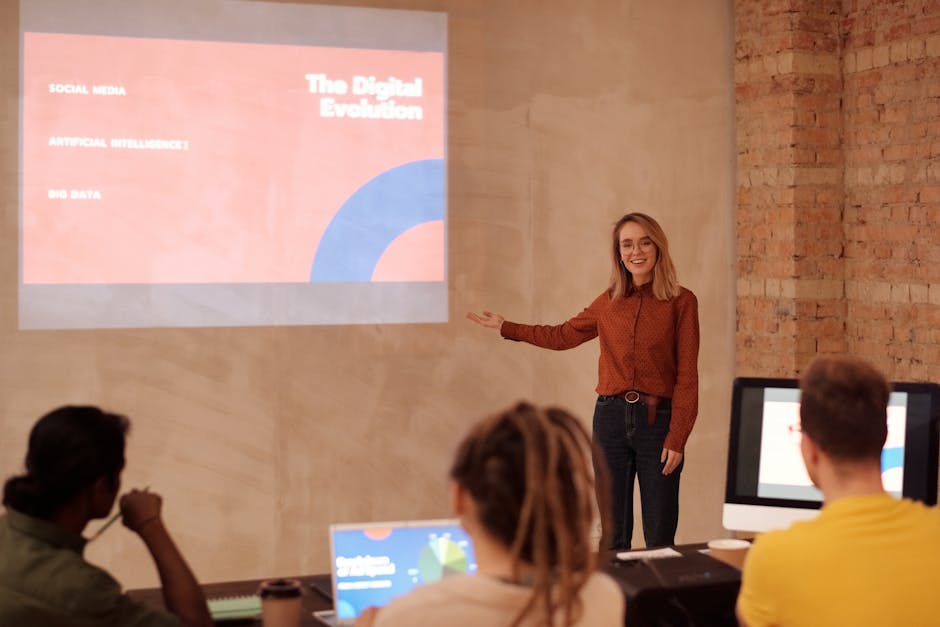
I’ve spent the last two years testing AI slide tools in actual, high-stakes deadlines—not just playing with their demos. When a client needs a pitch deck by 8:00 AM the next morning, the "wow" factor of an AI tool is secondary to whether the software will break under pressure. So, let’s talk about the reality of beautiful ai smart templates and whether they are a professional-grade asset or just a digital crutch.
Content Depth vs. Visual Polish: The Eternal Tug-of-War
The primary trap of modern AI presentation tools is the seduction of visual perfection. Beautiful.ai excels at keeping your margins tight, your typography consistent, and your images aligned. From a pure design standpoint, it forces users to follow a design system that prevents them from committing classic sins like "font sprawl" or "inconsistent white space."
However, there is a dangerous gap between visual polish and content depth. When we look at how these tools operate, we often find that the AI is prioritizing the layout at the expense of the narrative. You can make a bulleted list look stunning, but if the content itself is shallow, the slide is just a beautiful piece of useless information. The tool doesn't know your business strategy; it only knows how to make a container fit your text.
The problem is "content intelligence." True content intelligence would understand the hierarchy of an argument. Current AI features are often just "bolted on" wrappers around standard layout engines. They aren't refining your thought process; they are just prettifying the outcome of your existing, perhaps flawed, thought process.
Are Beautiful.ai Smart Templates Actually "Smart"?
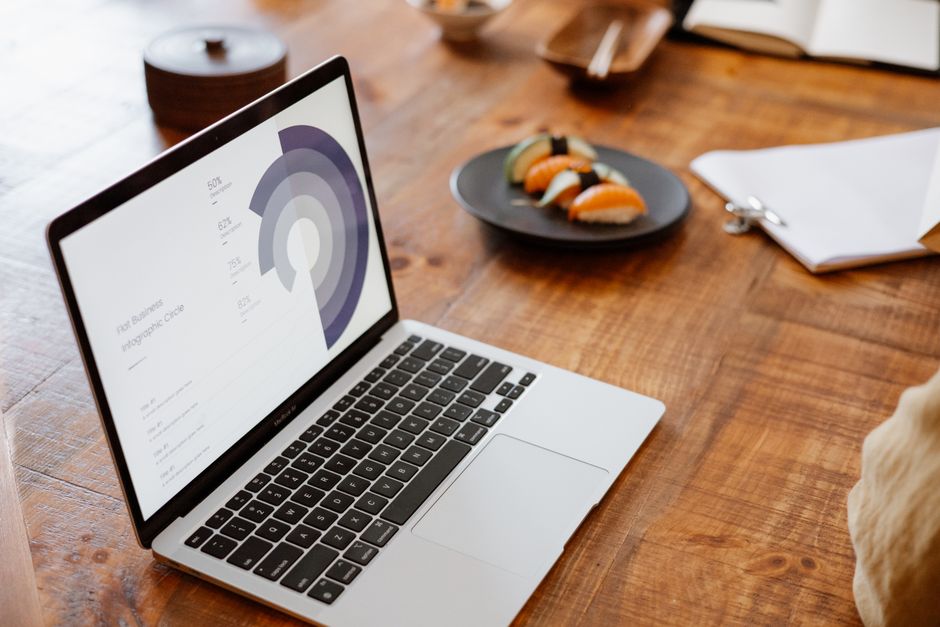
Beautiful.ai calls them "Smart Templates." In my experience, they are more like "opinionated containers." If you play by their rules, the speed to the first usable draft is incredible. You select a chart, you dump in your data, and the system automatically calculates the layout. If you want a pie chart, it won’t let you make it 10 feet wide with a stretched font.
The Benefits of Constraints:
- Design Guardrails: It is nearly impossible to make an ugly slide. Consistent Branding: For teams, it ensures everyone uses the same color palette and spacing. Speed: It drastically reduces the time spent on manual alignment—the "death by a thousand clicks" of slide creation.
The Downside:
The system is brittle. If you try to do something truly bespoke—like a complex UI screenshot mockup or a highly specific analytical diagram—the "smart" features often fight you. You end up spending more time trying to "hack" the template into submission than you would have spent just drawing it in Figma or PowerPoint from scratch.
The Export Reliability: The Ultimate Deal-Breaker
For those of us working in global teams or agencies, a presentation is rarely the final destination. A deck is a living document. It has to go from your browser to the client’s PowerPoint, then back to your team, and eventually into a PDF for a leave-behind.
This is where Beautiful.ai, and many similar tools, often face a reality check.
When you export a deck to PowerPoint (PPTX), you are essentially translating a proprietary, web-native layout engine into a rigid, object-based environment. I have lost count of the times I’ve exported a deck only to find that text boxes have shifted, animations have broken, or—worse—fonts have defaulted to Calibri. If you rely on these tools for a final deliverable, you must budget at least 30 minutes for pdf export from ai slides a rigorous QA pass in the native app before hitting the boardroom.
Speed to First Usable Draft
If your goal is to get from a blank screen to a 10-slide deck in under an hour, Beautiful.ai is a powerhouse. The speed-to-draft ratio is unmatched by manual tools. By using the AI to suggest layouts based on the input text, you avoid the "blank page syndrome" entirely.
However, remember that "usable" is a relative term. In a corporate environment, a draft needs to be editable by people who don't have a Beautiful.ai subscription. If the export quality isn't there, the speed you gained at the start is lost at the finish line during the QA and cleanup phase.
Iteration via Chat and Slide-by-Slide Refinement
One of the newer features gaining traction in the industry is "chat-based refinement"—the ability to tell an AI to "change this slide to a bar chart" or "make the tone more professional."
In practice, this is a mixed bag. For small changes, it’s a time-saver. But for narrative iteration—the kind of work I do with clients where we rethink the structure of a pitch—the chat interface often fails to understand context across slides. It treats every prompt as an isolated event.
Feature Effectiveness Developer/Designer Notes Smart Layouts High Great for consistency, bad for custom design. AI Chat Refinement Medium Useful for quick swaps; lacks cross-slide narrative. PPTX Export Low/Medium The "danger zone." Always requires manual cleanup. Visual Consistency Very High Best-in-class for keeping a deck on-brand.The "AI Features Bolted On" Syndrome
As someone who builds products, I see a clear distinction between "AI-native" tools and "traditional tools with AI features bolted on."
Beautiful.ai feels like an AI-native product, which is its greatest strength. It isn't trying to be PowerPoint. It’s trying to be a generative layout engine. However, the industry is currently obsessed with stuffing AI into everything. Many platforms have introduced AI features that feel like a gimmick—a "Summarize this slide" button that doesn't actually add value to the slide itself.
For the AI to be truly helpful, it needs to move beyond layout and start helping with content intelligence. It should flag when a slide has too much text (the "too many words" alert). It should detect if a graph is misleading based on the data points provided. That is where the real value lies, and we are only just beginning to see that level of sophistication.
The Verdict: Is It Worth It?
Is Beautiful.ai helpful? Yes, but with caveats.
If you are a consultant, a startup founder, or a project manager who needs to look professional without a dedicated design team, this tool is a game-changer. It eliminates the "amateur hour" look of most DIY presentations. The consistency provided by their templates is worth the subscription price alone.
However, if you are a professional designer or a team lead who needs highly complex, data-heavy, or non-standard visual structures, you will eventually hit a wall. You will spend time fighting the "smart" features rather than leveraging them.
My advice for the modern professional: Use it for the foundation. Use it for the speed. Use it for the alignment. But never, ever trust an AI tool to handle your final export without a manual audit. Until these tools understand the "intent" behind a slide as well as they understand the "layout," the human in the loop—you—is still the most important part of the stack.
The future of presentation design isn't just about making things look beautiful. It’s about making things clear, and frankly, that’s a task that still requires a human brain to drive the final mile.